What to Send After Someone Inquires: A Simple Follow-Up Email Sequence
Getting the inquiry is only part of it. What you send over the next couple of weeks often decides whether that person becomes a client or quietly drifts away.
What is an inquiry follow-up sequence?
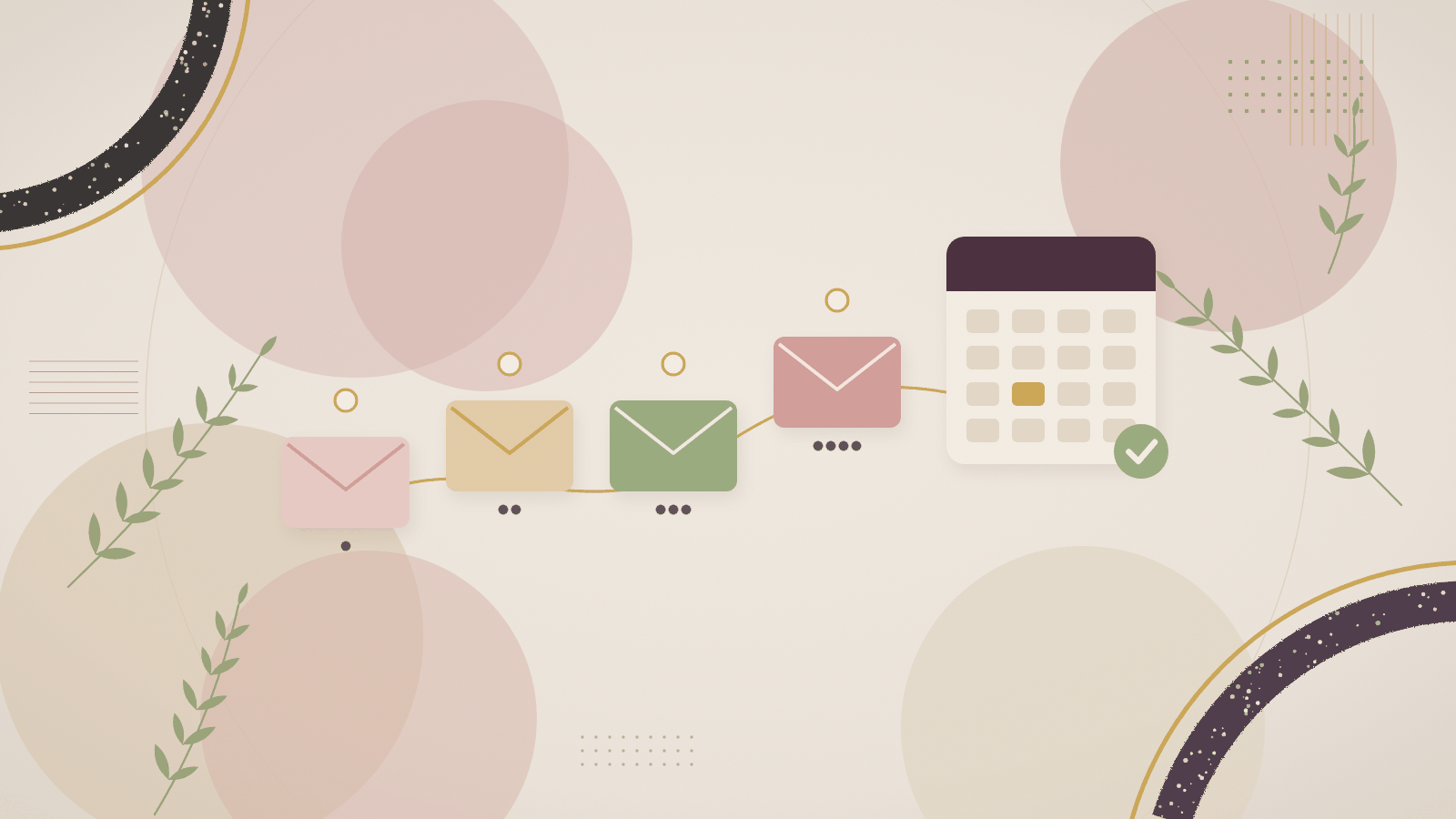
An inquiry follow-up sequence is a short, planned set of emails you send after a potential client reaches out. For most service businesses, four emails over about two weeks is enough: a quick confirmation, a personal reply, one helpful resource, and a friendly note to close the loop.
Most small business owners reply to an inquiry once and then wait. A lot of the time, the person on the other end meant to write back. They got busy, the email got buried, and a week later it felt awkward to respond.
That person was still interested. Nobody followed up. A simple sequence keeps the door open without you having to chase anyone.
What does a good follow-up sequence look like?
| When to send it | What it's for | |
|---|---|---|
| 1. Confirmation | Right away (automated) | Let them know you got it and when you'll reply. |
| 2. Personal reply | Within one business day | Answer their question and suggest a next step. |
| 3. Something useful | 3 to 4 days later, if no reply | Share one resource that fits their situation. |
| 4. Close the loop | 7 to 10 days later, if no reply | Check whether the timing is off and leave the door open. |
What should you write in each email?
Email 1: The confirmation
Short and automatic. Thank them, confirm what they asked about, and tell them when to expect a real reply. Something like this:
Thanks for reaching out about your website. I read every message myself, and I'll get back to you within one business day.
That one line about timing does a lot. It keeps people from wondering whether their message disappeared.
Email 2: The personal reply
This is the one that matters most, so don't automate it. Mention something specific from their message so it's obviously written for them. Then offer one clear next step: two or three times that work for a call, or a link to book one.
If they asked a question you can answer in the email, answer it. Helping before they've paid you builds more trust than any pitch.
Email 3: Something useful
If you haven't heard back after a few days, send one resource that fits what they told you. A blog post, a short checklist, or an example. No pitch. Just something like "I thought this might help with what you mentioned about your service pages."
This works because it gives them a reason to reply that isn't "Yes, I'm ready to buy."
Email 4: Close the loop
Keep it light and easy to answer:
I don't want to crowd your inbox. Would you like to revisit this in a month or two, or should I close the loop for now?
Notes like this tend to get replies, because they're easy to answer and there's no pressure in them.
How do you follow up without being pushy?
- Use their words. If they said "our website feels outdated," say that back to them. Don't turn it into "your digital presence."
- Make one ask per email. Don't combine a resource, a pitch, and a survey.
- Sign it as a person. Your name, not "The Team."
- Stop as soon as they reply. If you use automation, make sure it pauses the moment a real conversation starts.
- Keep a simple record. Even a spreadsheet keeps you from double-sending or forgetting someone.
Where does follow-up fit in your marketing?
In the MESSAGE Method, follow-up is part of the Guide step: building the path from "just looking" to "let's talk." You can have a clear message and a great website and still lose people here if replies are slow or inconsistent.
It's also what makes a lead magnet worth having. If you've set one up using these lead magnet ideas, a version of this sequence is how those downloads turn into conversations.
If inquiries are coming in but not turning into clients, go through the service business lead generation checklist. Follow-up is one of the first places I look. And if you're curious what my own process looks like after someone reaches out, I wrote it up in what happens in the first 30 days.
Frequently asked questions
How fast should I respond to a new inquiry?
As soon as you reasonably can, ideally within one business day. An automatic confirmation buys you a little time and tells people when to expect you.
How many follow-up emails is too many?
For most service inquiries, three or four emails over about two weeks is respectful. After that, stop, and only add them to your newsletter if they opted in.
Should follow-up emails be automated?
Automate the confirmation and maybe the reminders, but write the main reply yourself. People can tell, and the personal reply is where trust gets built.
What should a follow-up subject line say?
Keep it plain and specific, like “Your question about service pages” or “A resource for your Q4 planning.” Plain beats clever here.

Cadi Kadlecek, Marketing Strategy & Communications Consultant. Experience across integrated marketing strategy, demand generation, content programs, CRM, campaign analytics, and stakeholder communication. Serving Des Moines, Nashville, and lean teams across the United States.
Last updated: September 24, 2026
Want a clearer path from marketing to qualified inquiries?
Kadlecek Consulting helps small businesses clarify the brand, connect the marketing funnel, and focus the work that supports growth.
Get a free marketing recommendation